
What is All Inclusive? Is All Inclusive Worth It?
admin ·
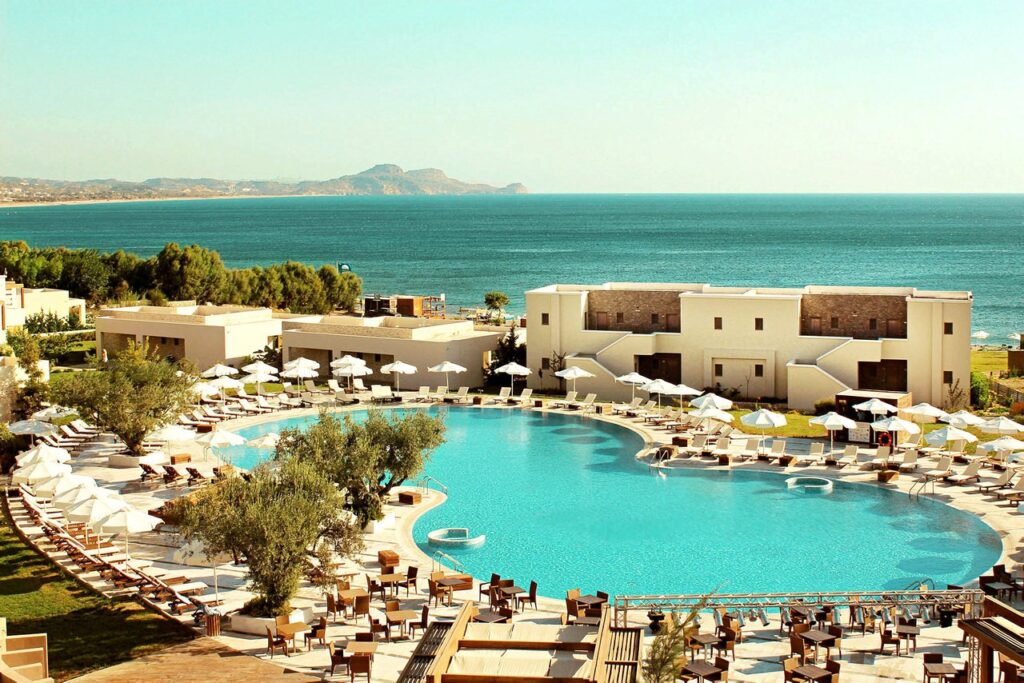
Holidays in resorts and all-inclusive hotels take the travel experience to a whole new level. When planning your summer getaway, you no longer need to settle for the bare essentials or count every euro on the beach, but can indulge in a holiday without limits or unexpected surprises.
The aim of this comprehensive guide is to define exactly what all-inclusive holidays are, analyse with real data whether all-inclusive is worth it for your travel profile, and show you how to choose among the top all-inclusive hotels in Greece.
What are All-Inclusive hotels in practice?
All-inclusive hotels include virtually all services and amenities in the initial booking price. In addition to accommodation, you enjoy daily meals (breakfast, lunch, dinner), snacks in between, drinks, soft drinks, sports activities and evening entertainment at no extra charge.
On this type of holiday, hidden costs are eliminated, allowing you to enjoy truly carefree moments. You order whatever you want, whenever you want, knowing the final cost from the outset. In Greece, all inclusive is also widely known as a “wristband holiday“, as guests wear special coloured wristbands at check-in so that staff can immediately identify which package of amenities they have access to.

Is every All-Inclusive package the same?
The short answer is no. Even when comparing properties under the same major hotel chain, amenities vary depending on the star rating and the property’s policy. There is also a significant difference between the standard package and upgraded versions — see in detail what the differences are in Ultra All Inclusive vs All Inclusive before you decide.
Before finalising your booking, check these 10 crucial questions:
- Is transfer included to and from the airport or port?
- Which drinks are covered? Are branded spirits included (such as whisky, vodka, gin) or only local spirits and draught beer/wine?
- What are the operating hours? Can you eat and drink 24/7 or do complimentary amenities stop after 23:00?
- How many restaurants does the resort have? Is there only a main buffet or are visits to à la carte themed restaurants also included?
- What is the policy for the in-room minibar? Is it complimentary and restocked daily, or charged extra?
- Which water activities are included? Non-motorised water sports (canoes, SUP) are usually free, but what about the rest?
- Are there facilities for children? If travelling as a family, check out our guide to all-inclusive holidays with children, as the Kids Club and children’s menu make a huge difference.
- Is the waterpark free? If the hotel has waterslides, are they included in the room rate?
- Are sunbeds and umbrellas included at both the pool and the beach?
- Are taxes and gratuities included or is there a climate crisis resilience fee payable locally?
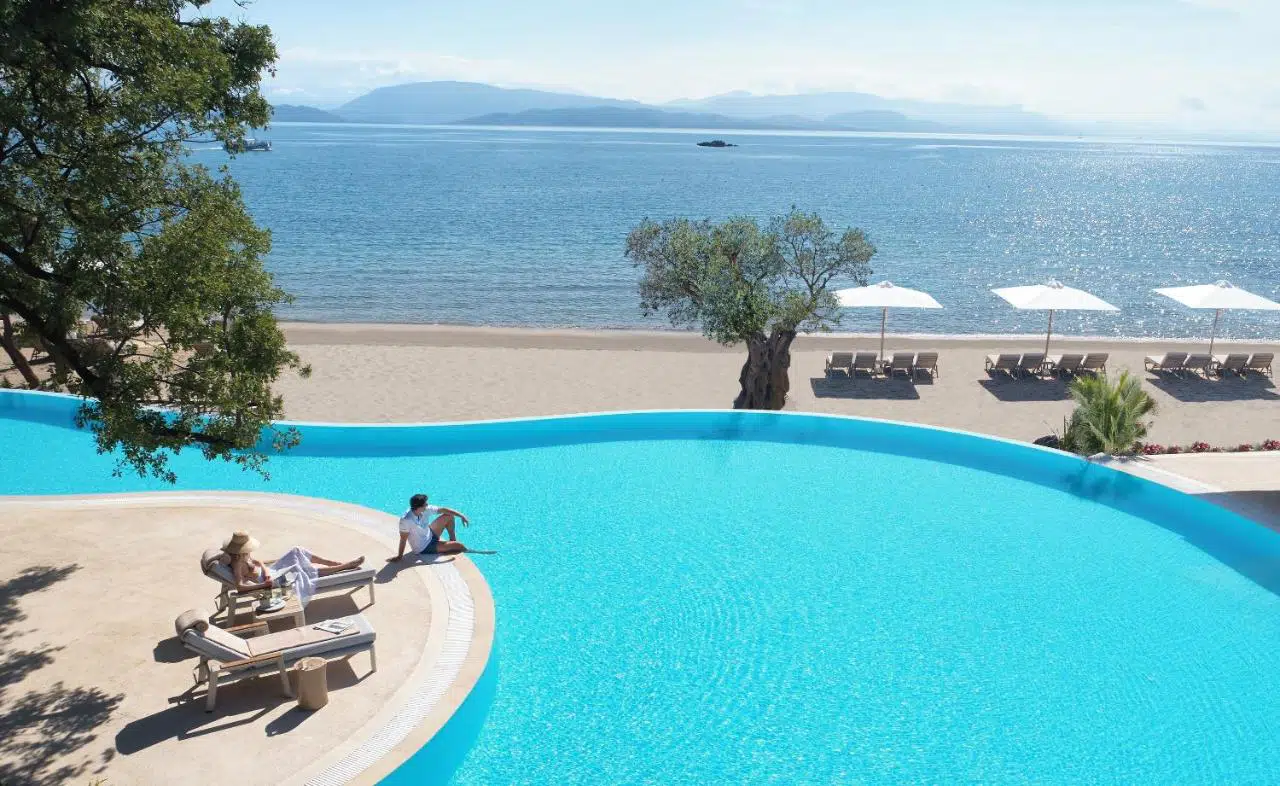
Why choose an All-Inclusive holiday?
For the vast majority of travellers, the main reason for choosing this option is total budget control. You know from the very first moment exactly how much your holiday will cost, avoiding unpleasant surprises at the end of the trip.
The 4 biggest advantages of All Inclusive
- Absolute financial predictability: You don’t need to calculate the daily cost of coffees, water, ice creams and meals at the taverna.
- Ideal solution for families: When you have children, continuous access to snacks, fruit, juices, crêpes and ice creams throughout the day without constantly reaching for your wallet offers invaluable convenience.
- Zero travel hassle: You don’t waste time looking for parking, free sunbeds or a table at restaurants during peak August hours.
- Rich on-site entertainment: From morning fitness and beach volley tournaments to evening shows and live music, entertainment comes to you.

Is an All-Inclusive hotel really worth it? (Real Calculation)
To answer objectively, let’s make a realistic calculation for a family of four (2 adults + 2 children) in a popular summer destination:
- Coffees, water, soft drinks & beach sunbeds: €40 – €60 / day
- Lunch at a taverna or beach bar: €60 – €80 / day
- Afternoon ice creams, snacks & juices for the children: €20 – €30 / day
- Evening dinner & drinks: €70 – €100 / day
The total daily cost outside the hotel easily ranges from €190 to €270 per day, on top of accommodation costs. When comparing this amount with the price difference of an all-inclusive package, you will find that all-inclusive is completely worth the money, especially if you leverage smart booking strategies — see how to find budget-friendly all-inclusive packages without compromising on quality.
When is All Inclusive NOT right for you?
Honesty is key to a successful holiday. If you are travellers who like to hire a car every day, explore secluded beaches from morning until night, and try different local tavernas every evening, you will end up paying for amenities you will not use. In this case, a bed and breakfast (B&B) or half-board package is more cost-effective.

Where to find the best All-Inclusive resorts in Greece?
Greece features some of the finest resorts in the Mediterranean, with tremendous variety to suit your needs. If you are wondering which island or region suits you best, explore our comprehensive guide to the best destinations for all inclusive in Greece, or check out the top choices by region directly:
- All Inclusive in Crete: Vast beachfront resorts with their own waterparks and authentic Cretan gastronomy.
- All Inclusive in Halkidiki: An ideal choice for road access, lush pine forests and emerald beaches.
- All Inclusive in Rhodes: Large, upscale resorts, an excellent climate and endless entertainment options.
- All Inclusive in Corfu: Luxurious properties in the Ionian with lush landscapes and a cosmopolitan flair.
- All Inclusive in the Peloponnese: Modern complexes right next to sweeping sandy beaches, within easy reach of Athens.
Ready to plan your most carefree holiday yet? View all available all-inclusive hotels in Greece and secure the best rate online!